

Trim loss from rough or inconsistent cuts is one of the quieter costs in meat processing. It doesn't show up as a line item, but it compounds across every carcass on every shift. Meanwhile, the right pneumatic circular saw addresses this directly by delivering steady torque and cut consistency. High-volume processing lines depend on this efficiency to generate better results.
Bunzl Processor Division provides food and meat processing facilities with a complete range of cutting equipment, including Jarvis® pneumatic circular saws. Made in the USA and backed by a reputation for proven reliability and service, Jarvis products are built to perform in demanding, high-volume environments.
How a Pneumatic Circular Saw Works
A pneumatic circular saw runs on compressed air rather than electricity. Air power delivers steady torque throughout the cut. The result is a clean, more controlled cut that reduces bone fragments and trim loss.
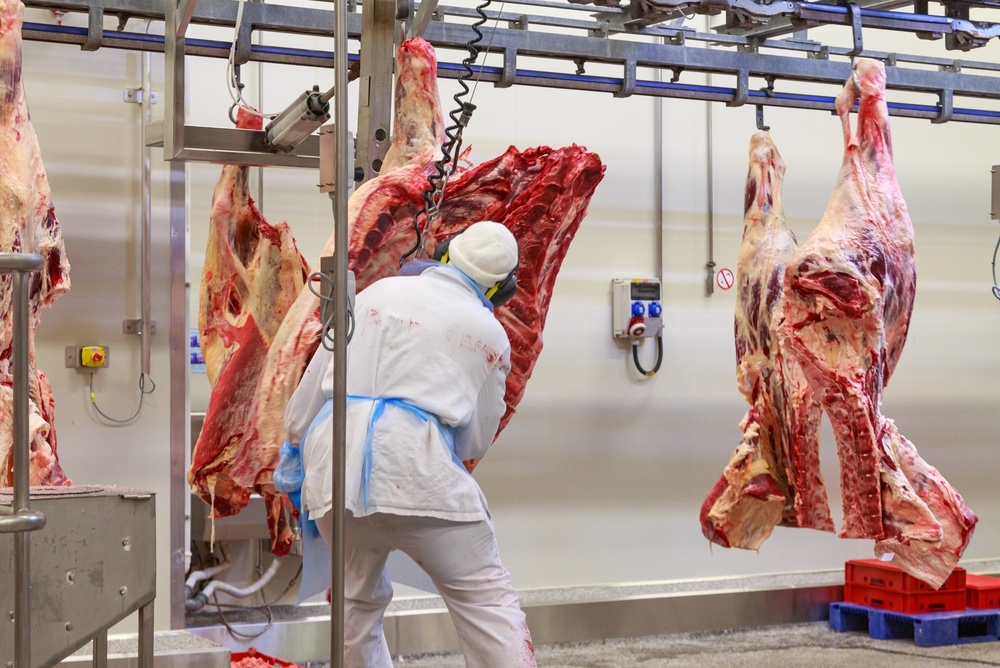
Because they run on compressed air, pneumatic saws also remove the risk of electrical hazards in wet processing areas. That makes them a practical choice for facilities where washdown and moisture exposure are part of daily operations.
The Yield Connection
Every off-target cut can lead to lost profits. For example, bone fragments driven into meat by an underpowered saw create trim loss that adds up fast across a full shift. A pneumatic circular saw running at steady torque and speed produces cleaner cuts at the bone line. Consequently, better equipment supports better yield per carcass.
This matters most in high-throughput plants processing beef, or pork at volume. Even small yield gains per unit add up to real savings when you're running hundreds or thousands of units per shift.
Performance Advantages Over Electric Saws
Pneumatic circular saws offer several practical advantages over electric models on the processing floor. Air power provides strong, steady torque under the heavy load conditions common in splitting, ribbing, and chine bone removal. Meanwhile, electric saws can bog down under sustained load, which affects cut quality and tires out operators.
In addition, pneumatic saws are generally lighter than electric models. This weight reduction matters on busy processing lines where operators work long shifts. Specifically, a lighter saw reduces fatigue, supports more consistent cut placement, and lowers the risk of strain injuries over time.
Application Range in Meat Processing
Pneumatic circular saws handle a wide range of cutting tasks across beef and pork processing. Common uses include carcass splitting, breaking forequarters, ribbing, chine bone removal, and shoulder and ham marking. These are high-frequency tasks where consistent tool performance has a direct impact on throughput and yield.
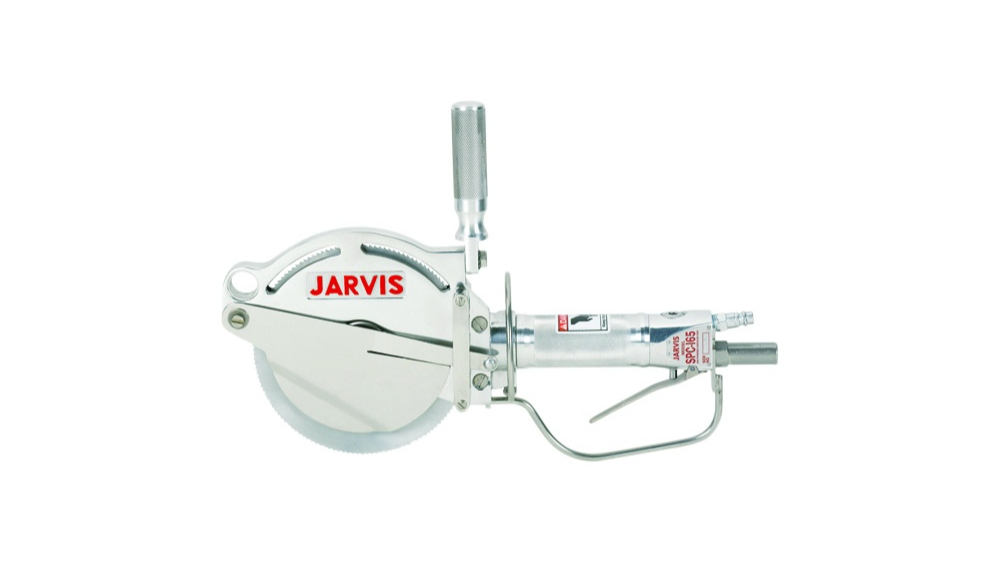
The Jarvis air-powered pneumatic circular saw is built for commercial food and meat processing facilities. It handles these tasks with consistent results. Right-handed and left-handed models are available to match different operator setups and line configurations.
Maintenance and Blade Replacement
Consistent saw performance depends on proper upkeep and timely blade changes. A worn blade produces rougher cuts, increases bone fragment risk, and adds stress to the saw. Replacement circular saw blades are available through Bunzl Processor Division, so both the saw and the blades can come from one source.
Regular checks on the air supply system, fittings, and hose connections also matter. A drop in air pressure affects torque and cut quality. Clean, well-pressurized air lines are part of keeping pneumatic equipment running at its best.
Sourcing Pneumatic Circular Saws Through Bunzl
At Bunzl Processor Division, we carry pneumatic saws, electric saws, and a full range of blades and cutting equipment for meat processing. Whether you're setting up a new line or replacing aging tools, our team can help match the right saw to your application and volume.
To explore the pneumatic saw lineup or talk to someone about your cutting equipment needs, call us or you can reach our Meat Processing experts with our online form, and we’ll be happy to start a conversation.