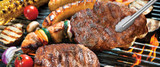
Food prep safety matters year‑round, and the colder months are no exception. Whether you're cooking comforting winter meals at home or preparing dishes for customers, proper handling and storage are essential to prevent harmful bacteria from spreading. Keep your family and friends safe from foodborne illnesses with these simple, reliable food prep safety best practices.
Keep it Clean
Be sure to wash your hands thoroughly with soap and warm water, both before and immediately after handling food. All surfaces and utensils also need to be washed before and after coming into contact – especially with raw meat – to reduce the spread of bacteria and cross-contamination with other foods.
Separation is Key
Speaking of cross-contamination, keep raw meat and any utensils it has encountered separate from other food products and supplies until the meat has been properly cooked. Once cooked, the meat should be handled with clean utensils and placed on a fresh, sanitized surface. Only after it has been properly cooked and transferred to clean equipment is it safe to mix with or serve alongside other foods.
The Thermometer is your Best Friend
Use a food thermometer to ensure that all food is cooked to the correct internal temperature. Using your eyes to judge color and consistency won’t cut it and could lead to your guests or customers becoming sick. Use the temperature guide below to determine when your meat has reached the correct internal temperature to be safely enjoyed:
- Pork – 145ºF
- Steak – 145ºF
- Fish – 145ºF
- Ground Meat – 165ºF
- Poultry – 165ºF
The Aftermath
When done, cover and refrigerate any leftovers properly, as germs can begin to grow on food within 1-2 hours from cooking. Leftovers should be consumed or discarded within 4 days of storing to avoid further bacteria growth and chance of illness. Be sure to also thoroughly clean all supplies, including your cooking appliance, and disinfect all surfaces to maintain a clean and sanitary environment until your next cooking session!
Finally, don’t forget to enjoy yourself! Keeping these simple food safety tips in mind every time you prepare meals will help ensure every dish you serve is safe, delicious, and worry‑free. And if you’re sharing, save us a plate—we’re always up for a perfectly prepared meal.